
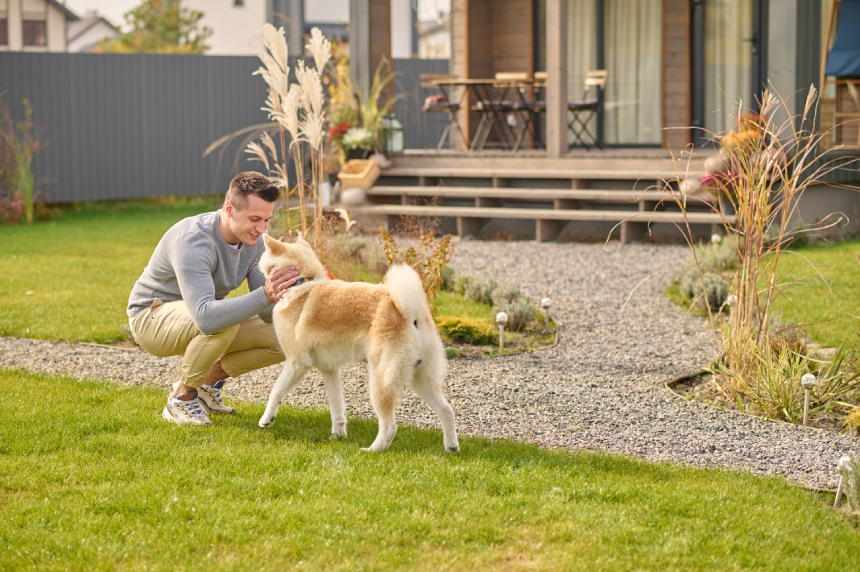
Dogs bring loyalty, energy, and a fair amount of wear and tear to a home. According to the American Pet Products Association, nearly 66% of U.S. households own a pet, and dogs top the list. The challenge for owners is creating a space that holds up to daily dog life without sacrificing the warmth, style, and resale value they have worked hard to build.
A dog-friendly home combines durable materials, smart built-ins, and thoughtful outdoor design to accommodate pets without compromising aesthetics or long-term function. The goal is to choose surfaces and layouts that resist scratching, moisture, and odor while still feeling inviting. Done right, these upgrades protect your investment and appeal to the growing share of buyers who want a move-in-ready, pet-accommodating space.
Pet-Proof Flooring and Interior Surfaces
Flooring takes the hardest hit in any pet-friendly household. Prioritizing scratch-resistant, easy- to-clean materials from the start saves money and frustration down the road.
● Luxury vinyl plank (LVP): Waterproof and highly scratch-resistant, with realistic wood looks that suit nearly any interior style. Note that LVP can be slippery underfoot, so pair it with area rugs or apply an anti-slip coating in high-traffic zones, especially if you share your home with a large breed prone to joint or hip issues.
● Porcelain tile: Extremely durable and simple to clean, but one of the slipperiest surfaces for dogs. If you go this route, prioritize textured or matte-finish tiles and layer in area rugs with non-slip backing throughout, not just for warmth.
● Bamboo or strand-woven flooring: Harder than traditional oak, making them better hardwood alternatives for homes with active dogs.
● Washable wall paint: A satin or semi-gloss finish wipes down easily after muddy paw prints make contact.
● Pet-resistant upholstery: Tightly woven microfiber or full-grain leather resists pet hair, claw snags, and everyday odors.
A word on traction: Smooth, hard surfaces are a frequent contributor to joint stress in dogs, particularly large breeds such as German Shepherds that are genetically prone to hip dysplasia. Whatever flooring you choose, plan for rugs, runners, or anti-slip treatments in the areas your dog uses most.
Built-In Feeding Station Options
A dedicated feeding station keeps bowls contained, reduces floor damage, and gives a kitchen or mudroom a clean, custom look. The table below covers the most practical built-in features to consider.
| Feature | Why It Matters |
|---|---|
| Recessed floor niche | Keeps bowls from sliding and limits spills on main flooring |
| Dedicated food storage drawer | Contains odors and limits pests in one sealed cabinet |
| Tile or sealed quartz surround | Wipes clean in seconds after messy mealtimes |
| Raised bowl design option | Supports joint health and comfort in larger breeds |
How to Create a Pet-Safe Outdoor Space
A well-planned yard protects your dog, your landscaping, and your property’s curb appeal at the same time.
● Select a fencing style (privacy wood, black aluminum, or vinyl) that complements your home’s exterior and suits your dog’s size and temperament.
● Install a self-closing gate latch on every entry point to prevent accidental escapes.
● Use pet-safe ground cover such as clover, cedar mulch, or artificial turf in high-traffic zones where grass tends to wear away.
● Border garden beds with decorative edging or raised planters to keep dogs away from toxic plants.
● Designate a specific potty area using gravel or decomposed granite to protect the lawn from repeated nitrogen exposure.
Electronic Underground Pet Containment
For homeowners who want to preserve sightlines or live in areas where physical fencing is restricted, electronic underground fence installation is a practical and nearly invisible alternative. A buried boundary wire transmits a signal to a lightweight receiver collar, prompting the dog to stay within a defined perimeter.
The system works on uneven terrain, wooded lots, and custom yard shapes that would be difficult or expensive to fence traditionally. It pairs well with professional landscaping because it leaves the yard visually open while still keeping your dog securely contained, making it a strong option for neighborhoods with strict aesthetic guidelines. Connect with Dawg Fence to get your installation started today!
Protecting High-Use Systems with a Home Warranty
Pets put extra strain on the systems that keep a home running smoothly. Dogs shed dander that clogs HVAC filters faster, track moisture that stresses plumbing fixtures, and wear down appliances through heavy daily use. Investing in a home warranty helps protect against the cost of repairing or replacing those systems before a breakdown becomes a serious expense.
Understanding what is a home warranty is a smart starting point: it is an annual renewable contract that can cover breakdowns to your heating, cooling, electrical, and plumbing systems, along with covering appliance repairs, giving pet owners an added layer of financial protection in a high-wear household.
Frequently Asked Questions
What is the best flooring for homes with dogs? Luxury vinyl plank and porcelain tile are the top choices for dog-friendly flooring because both resist scratches, moisture, and odors effectively. LVP offers a warmer underfoot feel, while tile stays naturally cooler, which many dogs prefer during warmer months.
Does a dog-friendly home hurt resale value? Not when upgrades are done thoughtfully. Scratch-resistant floors, built-in pet stations, and well-designed outdoor containment tend to appeal to the large share of buyers who are also pet owners, often adding perceived value rather than subtracting it.
Are underground pet fences humane and safe? Yes, when installed and used correctly. Modern systems use mild static stimulation paired with positive reinforcement training, making them a widely accepted and effective containment option for most dogs and yard types.
Conclusion
Designing a dog-friendly home is less about compromise and more about choosing the right materials and systems from the start. Scratch-resistant surfaces, smart built-ins, a secure outdoor space, and solid system protection let you share your home with a dog without watching its style or value decline over time. Start with one upgrade and build from there — a thoughtful, pet-accommodating home is well within reach.